01

Banff in May

Book Banff

Book Banff National Park Adventures and Attractions. Banff National Park's towering peaks and beautiful meadows make it among Canada's most incredible holiday areas. Plan your Canadian Rockies vacation and Book Banff's most popular attractions.

Book Banff National Park Book Banff
Banff National Park Wildlife

02

Banff National Park

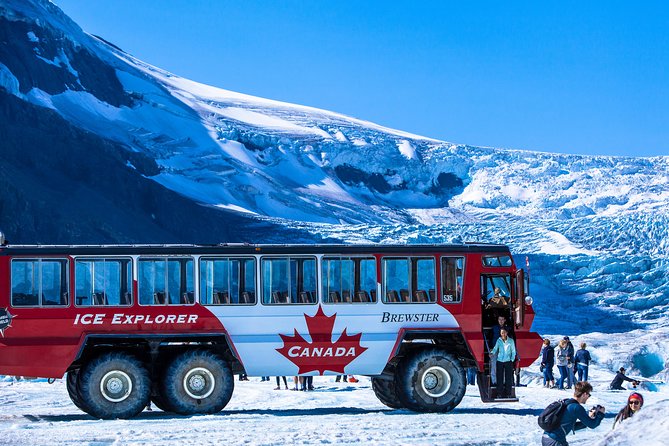
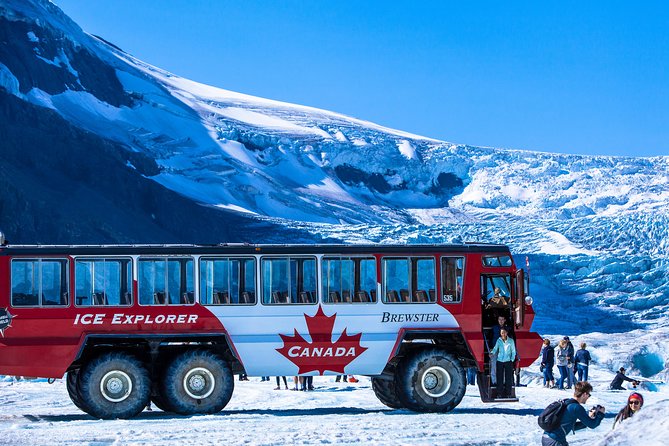
Columbia Icefield Tour & Glacier Skywalk

Columbia Icefield Tour including the Glacier Skywalk from Icefield Glacier Discovery Centre. Discover the awe-inspiring mountain scenery and massive glaciers of Alberta's Rocky Mountain region on this Columbia Icefields tour.

Jasper Columbia Icefield Tour & Glacier Skywalk
Book Glacier Skywalk and Athabasca Glacier Tour Jasper Columbia Icefield Home
Jasper Wildlife Tour Videos

03

Banff in May

Banff Gondola Ride Admission

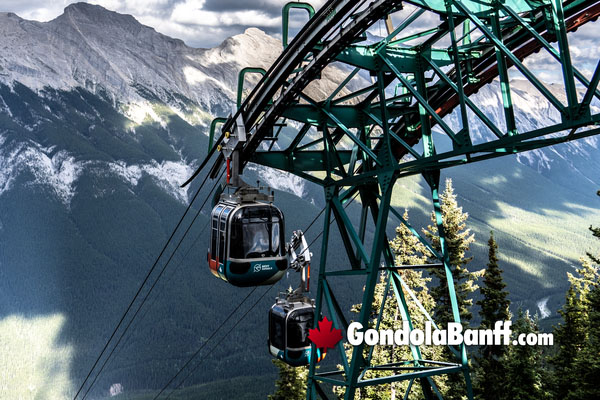
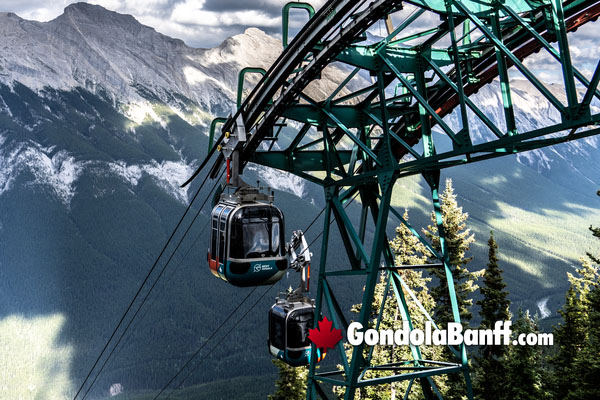
The Popular Banff Gondola provides visitors with an amazing scenic ride to the summit of Sulphur Mountain, offering panoramic views of the Canadian Rockies and the Bow Valley.

Banff Gondola at Sulphur Mountain
*Purchasing Gondola Tickets in Advance is Recommended. Book the Banff Gondola Banff Gondola Home
Banff National Park Wildlife

Canadian Rockies Summer Wildlife Tour - Banff in May

Learn of the steps taken in Canada's National Parks that ensure wildlife survival in the park, and gain insight into Banff's rich ecology, history and geology. This is a must for wildlife and nature lovers.


Canadian Rockies Summer Wildlife Tour - Banff in May

Book Banff's Wildlife Tour

May in Banff National Park

May marks Banff's transition from winter to spring. Snow retreats from Banff townsite trails, rivers swell with early meltwater, and wildlife activity increases.


Things to Do in Banff During May

May in Banff is a true spring month in the valley, while winter still lingers at higher elevations. Snow retreats from townsite trails, rivers swell with early meltwater, and wildlife activity increases. Visitor numbers are moderate compared to summer, making it an excellent time for those seeking space, scenery, and shoulder-season value. Expect variable weather-cool mornings, mild afternoons, and the occasional late snowfall in the alpine.

Scenic Banff Gondola Views & Mountain Walks in May

A ride up the Banff Gondola provides expansive views over the Bow Valley, where green forests begin contrasting against snow-covered peaks. The boardwalk along Sulphur Mountain is typically accessible, though patches of snow can remain early in the month. Clear days in May offer exceptional visibility and quieter summit spaces compared to peak summer.

May Hiking in Banff's Lower Elevations

May marks the start of hiking season in the valley bottom. Trails dry progressively through the month, though mud and lingering ice are common early on.

Tunnel Mountain - A short but rewarding climb overlooking town.
Fenland Trail - A gentle forest loop ideal for families.
Bow Falls - Particularly powerful during spring runoff.
Wildlife is highly active. Elk are commonly seen near town, and bears begin emerging from hibernation. Carry bear spray and maintain appropriate distance from all animals.

May Lake Exploration & Scenic Drives in Banff

Lake Minnewanka begins to thaw, creating striking contrasts of ice and open water early in the month.
Vermilion Lakes offer calm water reflections and increased bird activity.
Lake Louise is often still frozen in early May but transitions toward melt later in the month.
The Icefields Parkway remains a dramatic drive, with waterfalls intensifying from snowmelt.
Road conditions are generally clear, though mountain weather can change quickly.

Banff Biking & Outdoor Recreation During May

May is excellent for cycling. The Legacy Trail connecting Banff and Canmore typically opens once snow clears, offering a scenic paved route ideal for recreational riders. River pathways through town provide accessible, low-elevation options. Higher alpine trails may still be snow-covered until late May or early June.

Banff Hot Springs & Relaxation in May

A visit to the Banff Upper Hot Springs offers a warm contrast to cool spring air. Snow-draped peaks may still frame the pool, particularly earlier in the month. It's a restorative option after hiking or sightseeing.

May Dining, Culture & Town Exploration in Banff

With summer crowds not yet at peak levels, May allows for easier restaurant reservations and relaxed exploration along Banff Avenue. Patio season begins on warmer afternoons. Galleries, museums, and local shops operate steadily, though some seasonal tours and attractions may ramp up toward late May.

Practical Considerations

Layering is essential: Weather shifts quickly between sun and cloud.
Trail conditions vary: Expect mud at lower elevations and snow higher up.
Wildlife awareness: Spring is active season-carry bear spray.
Shoulder-season advantage: Fewer crowds and often more accommodation availability than summer.

May in Banff offers a dynamic blend of renewal and lingering alpine winter-ideal for visitors who appreciate contrast, open space, and the gradual transition into full mountain summer.

Banff Gondola During May

The Banff Gondola during May feels like a transition between winter's final grip and the arrival of alpine summer.

Banff Gondola During May

Banff Gondola During May

The Banff Gondola during May feels like a transition between winter's final grip and the arrival of alpine summer. The ride up Sulphur Mountain often begins with cool valley air, patches of lingering snow in the forest, and increasingly green mountain slopes emerging below. In the townsite, spring is becoming more noticeable, while the upper elevations still carry traces of the long Rocky Mountain winter. That contrast gives May a unique atmosphere that feels quieter, fresher, and more dramatic than the peak summer season.

As the gondola cabins rise above the treeline, the views become exceptionally crisp during May. Snow remains on many surrounding peaks, creating strong contrast against the dark evergreen forests and thawing valleys below. The Mount Rundle ridge often appears sharply defined against bright spring skies, while the winding Bow River begins showing more movement from seasonal meltwater. Early mornings can feel calm and cool with frost still possible, while afternoons sometimes bring surprisingly warm sunshine.

At the summit complex, visitors usually experience a quieter pace compared to the busy summer months. The outdoor viewing decks become comfortable gathering areas during sunny afternoons, allowing guests to spend longer periods taking in the panoramic scenery. Snowbanks may still line parts of the upper walkways, especially early in the month, adding to the sense of elevation and alpine wilderness. The combination of cold mountain air and strengthening spring sunlight creates a refreshing environment that feels both invigorating and peaceful.

The Sulphur Mountain Boardwalk in May can be especially memorable. Sections of the boardwalk may still border lingering snowfields while exposed areas begin drying out under the spring sun. Walking toward the historic cosmic ray station and Sanson's Peak often feels like crossing between seasons. One moment features icy mountain edges and winter silence, while the next reveals melting terrain, exposed rock, and the first signs of alpine renewal.

Wildlife activity around the Banff area becomes more noticeable during May as animals emerge into lower valleys and open mountain slopes. Visitors riding the gondola or looking across the forests below may spot elk grazing in thawed clearings or bighorn sheep navigating rocky terrain. The forests surrounding the gondola corridor begin showing fresh color again, replacing the muted tones of late winter with brighter greens and renewed life.

Dining at the summit during May carries a distinctive atmosphere because of the changing season outside the windows. Guests can often sit indoors enjoying warm meals while looking out across snow-covered peaks illuminated by strong spring sunlight. The contrast between cozy interior spaces and the rugged alpine landscape beyond the glass becomes part of the experience itself. Sunset periods during May can be particularly beautiful, with longer daylight hours casting soft golden light across the mountains and valleys surrounding Banff.

Weather conditions in May can vary quickly on the mountain. Some days feel almost like early summer with clear skies and comfortable temperatures, while others return briefly to winter conditions with snowfall or cold winds at the summit. That unpredictability adds to the authentic mountain experience. Visitors often experience multiple seasons in a single visit, especially between the lower terminal and the upper summit area.

May at the Banff Gondola offers a blend of late-season alpine snow, emerging spring landscapes, quieter viewpoints, and exceptionally clear Rocky Mountain scenery. It is a month where the mountain feels in transition, balancing the rugged beauty of winter with the first energy of the coming summer season. Banff Gondola

Jasper Columbia Icefields in May

The overall feeling of the Columbia Icefield in May is one of seasonal transition without fully leaving winter behind.

Jasper Columbia Icefields in May

Jasper Columbia Icefields in May

The Columbia Icefield during May presents a powerful late-winter alpine environment where immense glaciers, towering peaks, and deep snowfields still dominate the landscape. Unlike lower elevations in the Rockies that begin turning green during spring, the Icefields region remains heavily influenced by cold temperatures and lingering snowpack. The result is a dramatic mountain setting that feels remote, frozen, and immense even as spring gradually arrives elsewhere in the parks.

Driving along the Icefields Parkway toward the Icefields in May is part of the experience itself. The highway cuts through valleys surrounded by steep snow-covered mountains, frozen lakes, avalanche slopes, and glacial rivers beginning to swell from early meltwater. Fresh snowfall is still possible throughout May, and many peaks remain completely white from summit to valley floor. Morning drives can feel especially atmospheric with low clouds drifting between mountain ranges and patches of mist rising from thawing terrain.

The massive Athabasca Glacier remains the dominant feature of the area. In May, the glacier often appears brilliant white under the stronger spring sunlight, with deep blue ice visible in compressed sections and crevasses. Snow still covers large portions of the surrounding icefield, giving the region a raw arctic appearance. Standing near the glacier during this time of year emphasizes the scale and coldness of the environment, especially when mountain winds sweep down from the ice.

Temperatures around the Icefields in May are usually much colder than in Banff or Jasper townsites. Visitors often encounter freezing conditions, icy winds, and sudden weather shifts. Even on sunny afternoons, the air can remain sharply cold because of the nearby glaciers and high elevation. Snowbanks frequently line parking areas, walking paths, and roadside viewpoints well into the month. Proper winter clothing is still important for comfort around exposed viewing areas.

Visibility in May can be extraordinary during clear weather. The surrounding peaks rise sharply above the glacier basin with crisp snow lines and strong contrasts between ice, rock, and sky. Sunlight reflecting off the snowfields can make the entire landscape appear intensely bright and expansive. On cloudy or stormy days, however, the Icefields can feel rugged and intimidating, with blowing snow and dark mountain walls creating a far more dramatic atmosphere.

Wildlife sightings along the Parkway approaching the Icefields become more active during May. Mountain goats, bighorn sheep, elk, and occasionally bears begin appearing more frequently along thawing roadside corridors and exposed slopes. Because vegetation is still sparse at higher elevations, animals are often easier to spot against the snowy terrain.

Waterfalls and rivers near the Icefields also begin changing noticeably during May. Meltwater increases flow rates throughout the region, causing rivers to surge with cold glacial runoff. Smaller streams emerge from beneath snowbanks and ice edges, adding movement and sound to a landscape that spent much of winter frozen and silent.

The overall feeling of the Columbia Icefield in May is one of seasonal transition without fully leaving winter behind. It is not yet the greener, more accessible alpine environment of midsummer. Instead, May offers a colder, quieter, and more rugged version of the Icefields where snow, ice, and high mountain scenery still dominate nearly every direction. Jasper Columbia Icefields

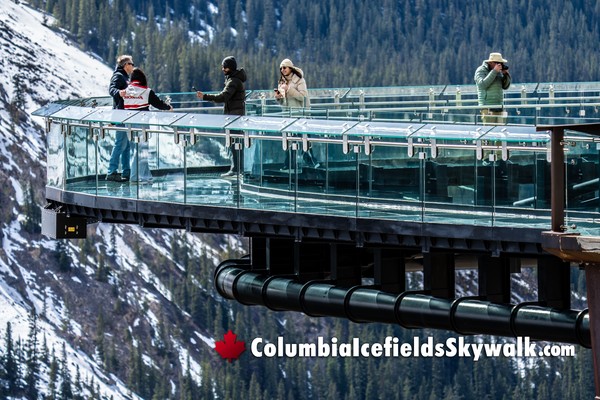
Columbia Icefields Glacier Skywalk During May

The Skywalk during May delivers a colder, quieter, and more rugged experience compared to the height of summer. The surrounding environment still feels heavily influenced by winter, with glaciers, snowfields, and alpine weather shaping the atmosphere.

Columbia Icefields Glacier Skywalk During May

Columbia Icefields Glacier Skywalk During May

The Columbia Icefield Skywalk during May offers a dramatic high-altitude experience surrounded by lingering snow, icy mountain peaks, and powerful spring runoff flowing through the deep valley below. Perched along the cliffs above the Sunwapta Valley, the Skywalk feels especially wild and rugged during this transitional season when winter still holds much of the upper Rockies.

Approaching the Skywalk in May often means driving through stretches of snow-lined roadway along the Icefields Parkway. The surrounding scenery remains heavily alpine, with many peaks still fully snow-covered and glaciers visible in the distance. The atmosphere can shift quickly between bright sunshine, drifting clouds, light snowfall, or icy winds, giving the area an authentic mountain feel that changes hour by hour.

Walking the interpretive pathway toward the glass platform reveals sweeping views into the valley thousands of feet below. During May, the landscape combines winter textures with the first signs of spring runoff. Snow may still rest along sections of the trail edges and nearby slopes, while rivers and waterfalls below begin surging with icy meltwater from surrounding glaciers and mountains. The contrast between frozen peaks and flowing water creates a striking seasonal balance unique to spring in the Rockies.

Stepping onto the curved glass platform can feel especially intense during May because visibility is often exceptionally sharp in the cool mountain air. Looking straight down through the transparent floor reveals steep cliffs descending into the rugged valley beneath. Beyond the platform, layers of mountain ridges stretch into the distance with snowfields and glaciers still dominating the horizon. On clear days, the depth and openness of the landscape become one of the most memorable aspects of the experience.

Temperatures at the Skywalk in May are typically cold compared to lower elevations. Strong winds can move through the valley corridor and across the exposed platform, making the environment feel significantly cooler than nearby towns. Visitors frequently wear winter jackets, gloves, or layered clothing, especially during mornings or cloudy conditions. Even under sunny skies, the high-elevation air carries a crisp chill from the nearby icefields.

The interpretive stations along the walkway feel particularly immersive during spring because the surrounding environment remains active and untamed. Avalanche slopes, exposed rock walls, glacial valleys, and thawing alpine terrain help illustrate the immense geological forces that shaped the region. Wildlife may occasionally appear on distant slopes or valley floors as animals begin moving through thawing mountain corridors.

Photography at the Columbia Icefield Skywalk during May can be especially rewarding because of the dramatic seasonal contrasts. Bright snow against dark cliffs, turquoise hints in glacial rivers, low clouds moving through valleys, and powerful sunlight reflecting off icy terrain all contribute to a highly dynamic mountain landscape. Conditions can change rapidly, meaning the scenery may look completely different within the span of an hour.

The Skywalk during May delivers a colder, quieter, and more rugged experience compared to the height of summer. The surrounding environment still feels heavily influenced by winter, with glaciers, snowfields, and alpine weather shaping the atmosphere. For many visitors, May offers one of the most dramatic times to experience the scale and raw mountain beauty of the Canadian Rockies from high above the valley floor. Columbia Icefields Glacier Skywalk

Golden Skybridge in May

May at the Golden Skybridge delivers a refreshing early-season mountain experience defined by waterfalls, canyon depth, cool spring weather, and dramatic suspension bridge views surrounded by the awakening Canadian Rockies.

Golden Skybridge in May

Golden Skybridge in May

The Golden Skybridge during May offers a spring mountain experience where rushing waterfalls, thawing forests, and snow-covered peaks come together around the dramatic suspension bridges high above the canyon. Located near the town of Golden, the attraction begins transitioning from winter into the early adventure season, with fresh mountain air and increasingly active landscapes surrounding the canyon system.

By May, the waterfalls and streams beneath the bridges are often at their most energetic because of spring snowmelt flowing down from the surrounding mountains. As visitors walk onto the suspension bridges, the sound of rushing water echoes upward through the canyon while mist rises from the falls below. The increased water flow gives the canyon a powerful and lively atmosphere that feels very different from the calmer conditions of late summer.

The suspension bridges themselves feel especially dramatic during spring. Looking down through the open grating reveals steep cliffs, dense forest, and fast-moving water far below. Snow frequently remains visible on higher mountain slopes in the distance, while lower elevations begin turning green with fresh spring growth. That seasonal contrast creates an environment where winter and spring coexist across the landscape.

Temperatures during May are usually cool and comfortable for walking the canyon trails and viewing areas. Mornings can feel crisp with mountain air flowing through the valley, while afternoons often become pleasantly mild under sunny skies. Because of the canyon elevation and changing mountain weather, visitors may still encounter brief rain showers, chilly winds, or even occasional late-season snowfall on surrounding peaks.

The forest environment surrounding the Golden Skybridge becomes increasingly active in May. Evergreen trees remain deep green year-round, while deciduous vegetation begins emerging with lighter spring color. Birds become more active throughout the canyon, and the entire area starts feeling more alive after the long mountain winter. Walking trails through the forested sections feel fresh and cool, with the scent of wet earth, pine, and flowing water filling the air.

The canyon views during May are often exceptionally clear. Snow-covered mountain ranges rise behind the bridges while sunlight reflects off wet rock faces and rushing waterfalls below. Cloud patterns moving through the Columbia Valley can create constantly changing scenery throughout the day, sometimes revealing bright blue skies and other times surrounding the mountains with dramatic mist and low clouds.

Adventure features and viewing areas around the attraction begin operating with increasing activity as the tourism season ramps up. May tends to offer a more relaxed atmosphere compared to peak summer months, allowing visitors to spend longer periods enjoying the scenery and taking in the scale of the canyon without the same level of midsummer crowds.

Photography during May can be especially rewarding because of the strong natural contrasts. Bright snow on distant peaks, vivid spring greenery, dark canyon walls, and white waterfall spray all combine to create striking Rocky Mountain scenery. The powerful runoff beneath the bridges adds movement and energy to nearly every viewpoint.

May at the Golden Skybridge delivers a refreshing early-season mountain experience defined by waterfalls, canyon depth, cool spring weather, and dramatic suspension bridge views surrounded by the awakening Canadian Rockies. Golden Skybridge

Banff Lake Minnewanka Boat Cruise in May

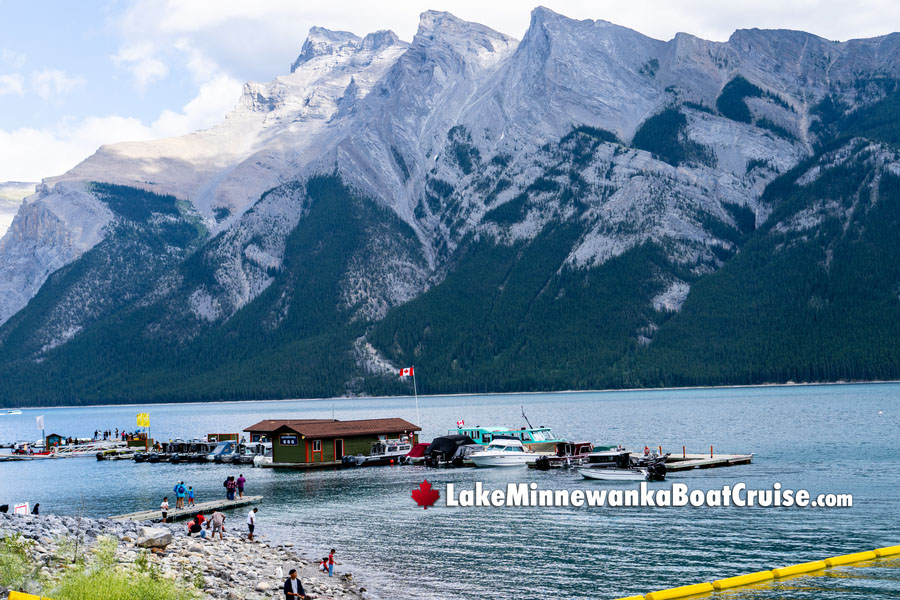
The Lake Minnewanka Boat Cruise during May delivers a peaceful and scenic spring experience where cold alpine waters, lingering snow-covered peaks, and emerging mountain wildlife combine to create one of the most refreshing times to explore the lake.

Lake Minnewanka Boat Cruise in May

Banff Lake Minnewanka Boat Cruise in May

The Lake Minnewanka Boat Cruise during May offers a crisp springtime experience surrounded by snow-covered mountains, cold turquoise water, and the early awakening of the Rocky Mountain landscape. Located along the shores of Lake Minnewanka, the cruise during this time of year feels quieter and more atmospheric than the busy summer season, with lingering alpine winter scenery still dominating much of the surrounding environment.

By May, the lake has fully emerged from winter ice, but the water remains intensely cold from mountain snowmelt flowing into the reservoir. The surface of the lake often appears deep blue or dark turquoise beneath the surrounding peaks, especially during calm mornings when reflections stretch across the water. Snow frequently remains visible along upper ridgelines and shaded slopes, creating a dramatic contrast against the thawing forests closer to the shoreline.

Boarding the boat in May often begins with cool mountain air and fresh spring conditions around the marina. Visitors usually wear jackets or layered clothing because temperatures on the open water can feel significantly colder than in the Banff townsite. Once the boat leaves the dock and moves deeper into the lake, the wind across the water combined with glacier-fed temperatures creates a refreshing alpine atmosphere that feels unmistakably Rocky Mountain in character.

Cruising across Lake Minnewanka during May provides sweeping views of rugged mountain walls rising directly from the lakeshore. The long narrow lake stretches deep into the wilderness, surrounded by dense evergreen forests, avalanche slopes, and rocky peaks that still carry extensive snowpack. The scenery often feels raw and expansive during spring because vegetation has not yet fully filled in the landscape, allowing clearer views of the mountain terrain.

Wildlife activity around the lake becomes increasingly noticeable during May. Bighorn sheep, elk, deer, and occasionally bears may appear along roadside areas or open slopes surrounding the lake. Birds also become more active around the shoreline and forest edges as spring progresses. The quieter atmosphere of May can make wildlife encounters feel especially natural and unhurried.

The weather around the lake can shift rapidly during spring. Some cruises take place under bright sunshine with calm reflective water, while others move through low clouds, mountain mist, or cool rain showers. Sudden wind gusts occasionally sweep across the lake, creating rolling waves and adding to the sense of wilderness. Those changing conditions give each cruise a slightly different character depending on the day.

The interpretive experience during the cruise feels particularly immersive in May because the surrounding landscape still carries a strong sense of seasonal transition. Visitors see the Rockies moving from winter into spring, with frozen high elevations towering above increasingly active valleys below. The combination of cold alpine air, open water, and snow-covered mountains creates a powerful sense of scale and remoteness.

Photography during May can be especially rewarding because of the clean mountain visibility and seasonal contrasts. Snowy peaks reflected on dark blue water, fresh green forest patches, and dramatic cloud formations all contribute to vivid Rocky Mountain scenery. Early mornings and late afternoons often produce especially striking lighting conditions around the lake.

The Lake Minnewanka Boat Cruise during May delivers a peaceful and scenic spring experience where cold alpine waters, lingering snow-covered peaks, and emerging mountain wildlife combine to create one of the most refreshing times to explore the lake. Banff Lake Minnewanka Boat Cruise

Jasper SkyTram in May

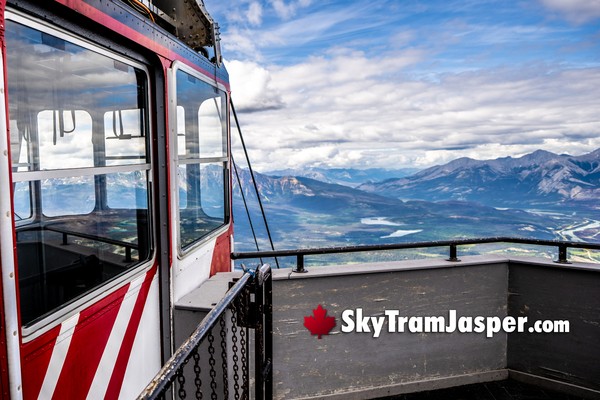
May at the Jasper SkyTram delivers a quieter and more rugged alpine experience where visitors can still feel the power of Rocky Mountain winter while witnessing the first signs of spring emerging across the valleys below.

Jasper SkyTram Opens in May

Jasper SkyTram in May

The Jasper SkyTram during May offers a dramatic spring mountain experience where visitors rise from the thawing valley floor into a high alpine environment that still feels heavily influenced by winter. Located on the slopes of Whistlers Mountain, the tramway during May showcases the striking seasonal contrast between green forests below and snow-covered terrain higher up the mountain.

As the tram departs the lower station, the surrounding forests near the valley begin showing signs of spring renewal. Evergreen trees remain deep green year-round, while open areas gradually lose their winter snow cover. Looking outward during the ascent reveals broad views of the Athabasca Valley and the town of Jasper, often framed by lingering snow on the surrounding mountain ranges.

The ride upward during May can feel like traveling through changing seasons within minutes. Lower elevations may appear fresh and springlike, while the upper slopes of Whistlers Mountain often remain covered in snow and exposed alpine ice. As the tram climbs above the treeline, the landscape becomes increasingly rugged, with rocky ridges, snowfields, and sweeping mountain panoramas stretching across the horizon.

At the upper terminal, temperatures are usually much colder than below in the valley. Visitors frequently encounter icy winds, deep snow patches, and crisp alpine air even during sunny afternoons. Jackets, hats, and layered clothing are often necessary because conditions at elevation can change quickly. Some days feel bright and calm with crystal-clear visibility, while others bring drifting clouds, fog, or brief spring snow showers.

The panoramic views from the summit area during May are especially striking because many surrounding peaks remain heavily snow-covered. Looking across the mountains reveals endless layers of white ridges, glacial valleys, and dark evergreen forests below. Visibility during spring can be exceptional, allowing distant mountain ranges to appear sharply defined beneath the cool mountain air.

The alpine terrain surrounding the upper station often still resembles late winter during May. Snowbanks can remain beside pathways and viewing areas, while hiking routes near the summit may be partially snow-covered or icy. The environment feels raw and elevated, emphasizing the harshness and beauty of the alpine tundra before summer fully arrives.

Wildlife activity in the valley below becomes increasingly active during spring. From the tram or upper viewpoints, visitors may occasionally spot elk, deer, or other animals moving through thawing meadows and forest openings. Bird activity also increases throughout the region as warmer weather gradually returns to the Rockies.

Photography from the Jasper SkyTram during May can be especially rewarding because of the strong seasonal contrasts. Snow-covered mountains tower above emerging spring landscapes below, while changing weather patterns create dramatic lighting conditions throughout the day. Clear mornings often provide exceptionally sharp mountain visibility, while evening light can cast warm golden tones across the snowy ridges surrounding Jasper.

May at the Jasper SkyTram delivers a quieter and more rugged alpine experience where visitors can still feel the power of Rocky Mountain winter while witnessing the first signs of spring emerging across the valleys below. Jasper SkyTram

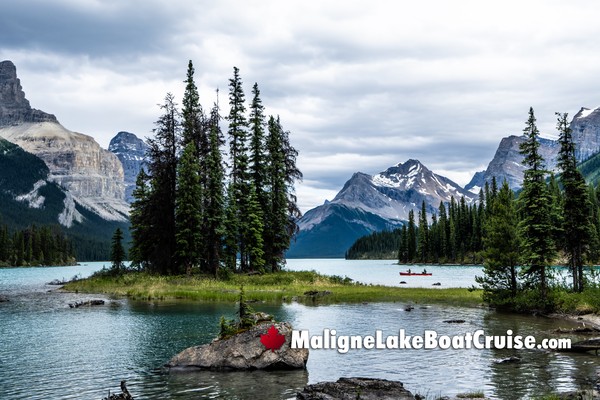
Maligne Lake Boat Cruise During May

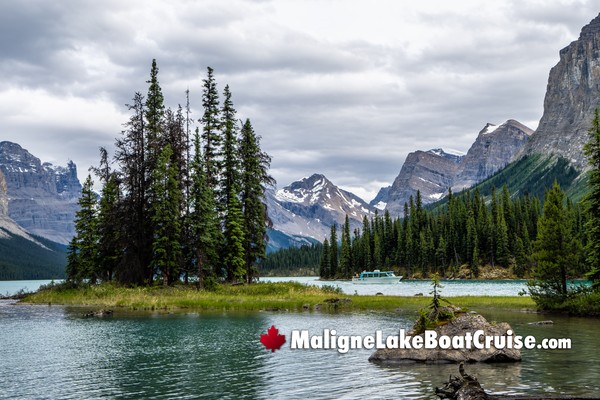
The Maligne Lake Boat Cruise during May delivers a quiet and deeply scenic wilderness experience where lingering alpine winter conditions meet the first stages of spring across one of the Canadian Rockies' most iconic lakes.

Maligne Lake Boat Cruise During May

Maligne Lake Boat Cruise During May

The Maligne Lake Boat Cruise during May offers a cold, serene, and highly scenic springtime experience surrounded by snow-covered peaks, glacier-fed water, and the quiet atmosphere of the awakening alpine wilderness. Located on Maligne Lake, the cruise during this time of year feels far more peaceful and untamed than the height of summer, with lingering winter conditions still shaping much of the landscape.

In May, the lake has recently emerged from its long winter freeze, and the surrounding mountains remain heavily coated in snow. The water often appears dark blue, steel blue, or turquoise depending on weather and lighting conditions. Calm mornings can create mirror-like reflections of the towering peaks surrounding the lake, while cloudy days add a dramatic wilderness atmosphere with mist drifting through the valleys.

Boarding the cruise boat in May usually means stepping into crisp mountain air with cool temperatures even during daylight hours. The elevation and glacier-fed environment keep conditions noticeably colder than lower areas around Jasper. Once the boat moves onto the open water, the air becomes even colder as winds sweep across the lake surface. Visitors commonly wear insulated jackets, hats, and layered clothing to remain comfortable during the ride.

Cruising across Maligne Lake in May reveals an immense wilderness landscape still dominated by winter scenery. Snow-covered mountain walls rise directly from the shoreline, and dense evergreen forests line much of the lake's edge. The lack of full summer greenery allows the rugged terrain and geological features to stand out more sharply across the surrounding peaks and ridges.

One of the highlights of the cruise is approaching Spirit Island, which during May often appears especially isolated and pristine. The famous island sits surrounded by cold mountain water beneath snowy peaks that still reflect the long alpine winter. The quieter spring atmosphere gives the area a peaceful and remote feeling that can be very different from the busier summer season.

Wildlife activity around the Maligne Valley increases during May as animals begin moving through thawing forests and open terrain. Visitors traveling to and from the lake sometimes encounter elk, deer, mountain goats, bears, or bighorn sheep along the road corridor. Bird activity also becomes more noticeable near the shoreline and forest edges as spring gradually advances through the park.

Weather conditions on the lake can change rapidly during May. Bright sunshine may suddenly give way to cloud cover, rain showers, or even brief snowfall at higher elevations. Those shifting conditions contribute to the dramatic atmosphere of the cruise, with constantly changing light patterns across the mountains and water.

Photography during May can be particularly rewarding because of the seasonal contrasts and exceptional visibility. Snow-covered peaks reflected on dark alpine water, drifting clouds through mountain valleys, and fresh spring light combine to create striking Rocky Mountain scenery. Early season conditions often produce highly atmospheric landscapes that feel more rugged and untouched than later in the year.

The Maligne Lake Boat Cruise during May delivers a quiet and deeply scenic wilderness experience where lingering alpine winter conditions meet the first stages of spring across one of the Canadian Rockies' most iconic lakes. Maligne Lake Boat Cruise

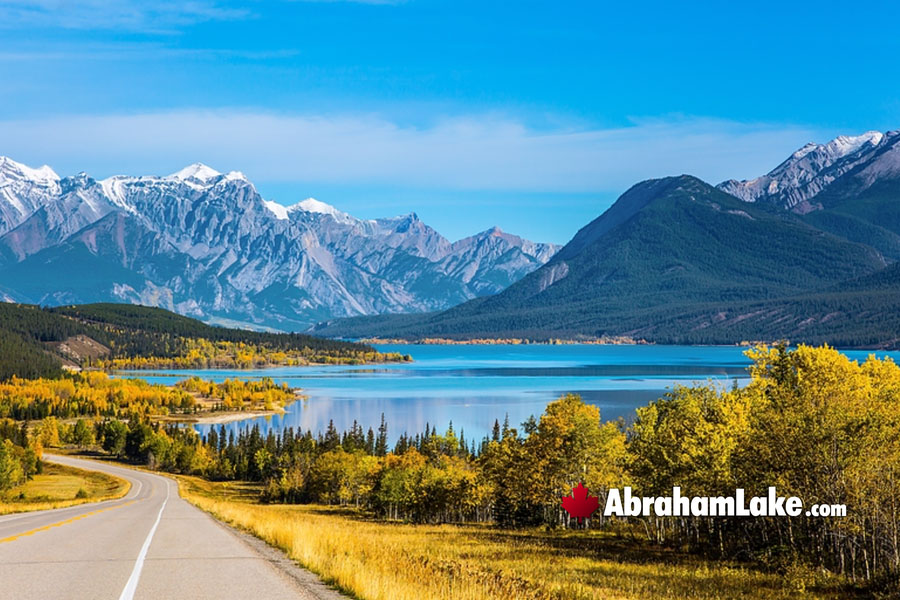
May at Abraham Lake

May at Abraham Lake delivers a rugged Rocky Mountain experience defined by open water, lingering snow, cold alpine winds, and expansive wilderness scenery. It is a season where the landscape still carries the power of winter while beginning to reveal the energy and movement of spring.

May at Abraham Lake

May at Abraham Lake

Abraham Lake during May feels wild, windswept, and transitional, sitting between the frozen beauty of winter and the greener landscapes of approaching summer. Located along the eastern edge of the Canadian Rockies near the David Thompson Highway, the lake during May often showcases a dramatic mixture of lingering snow, exposed mountain terrain, cold turquoise water, and rapidly changing spring weather.

By May, the lake has usually thawed from winter ice, ending the famous frozen methane bubble season that draws visitors during colder months. In its place comes open water that ranges from steel blue to vivid turquoise depending on sunlight, cloud cover, and glacier-fed sediment entering the reservoir. The surrounding mountain scenery remains highly alpine, with many nearby peaks still carrying heavy snowpack across their upper slopes and ridgelines.

The atmosphere around Abraham Lake in May often feels raw and expansive. Strong winds are common across the open reservoir, creating rolling waves and fast-moving cloud formations above the mountains. On calm mornings, however, the lake can become mirror-like, reflecting snow-covered peaks and dramatic skies stretching across the valley. Those constantly changing conditions give the area a different appearance almost hour by hour.

Driving alongside the lake during May offers wide-open views of rugged Rocky Mountain terrain. Snow may still line sections of the roadside and shaded forest areas, while lower elevations begin showing early signs of spring vegetation. The contrast between thawing valleys and snowy summits becomes one of the defining visual characteristics of the region during this time of year.

The water levels and shoreline appearance around Abraham Lake can vary throughout spring because the lake is a man-made reservoir. Some areas reveal exposed rocky shorelines and driftwood-covered beaches, while other sections hold deeper blue water pressed directly against steep mountain slopes. The changing water conditions contribute to the rugged and untamed appearance of the landscape.

Wildlife activity increases noticeably during May throughout the surrounding valleys and foothills. Bighorn sheep, elk, deer, and occasionally bears may appear near the highway corridor or open grasslands as animals emerge into lower elevations after winter. Bird activity also becomes more active around the lake and river systems feeding the reservoir.

Temperatures around the lake during May can fluctuate dramatically. Sunny afternoons may feel relatively mild, especially in sheltered areas, while mornings and evenings often remain cold with frost still possible. Mountain weather changes quickly, and visitors can encounter sunshine, rain, snow flurries, or powerful wind conditions within the same day.

Photography at Abraham Lake during May can be especially impressive because of the sharp seasonal contrasts. Snow-covered mountains rise above turquoise water, dramatic cloud systems sweep through the valleys, and the lower forests begin transitioning toward spring color. Sunrise and sunset lighting often create particularly vivid reflections and glowing mountain ridges across the lake surface.

May at Abraham Lake delivers a rugged Rocky Mountain experience defined by open water, lingering snow, cold alpine winds, and expansive wilderness scenery. It is a season where the landscape still carries the power of winter while beginning to reveal the energy and movement of spring. Abraham Lake

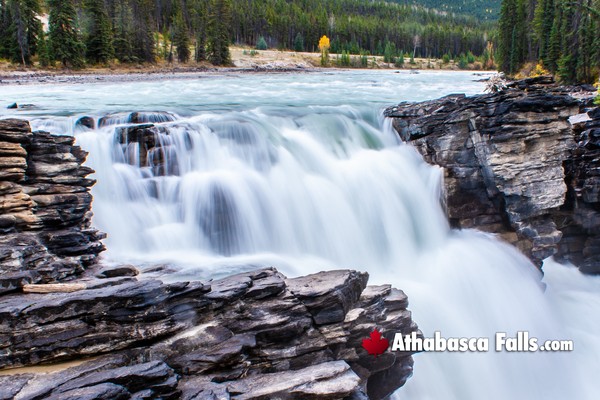
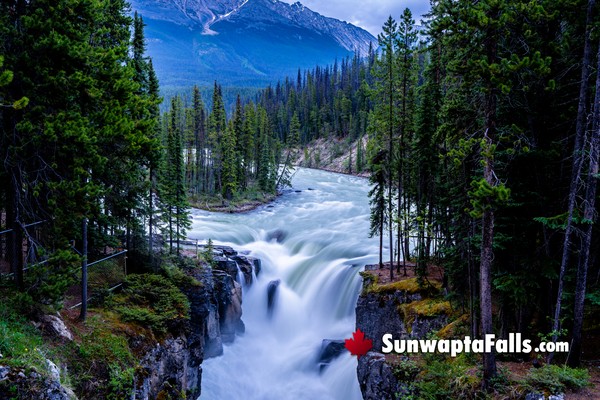
Athabasca Falls During May

May at Athabasca Falls delivers a raw and energetic spring experience where glacier-fed runoff transforms the falls into one of the most powerful natural spectacles along the Icefields Parkway.

Athabasca Falls During May

Athabasca Falls During May

Athabasca Falls during May becomes one of the most powerful and dramatic waterfall experiences in the Canadian Rockies. As spring snowmelt accelerates across the surrounding mountains and glaciers, the Athabasca River surges through the narrow limestone gorge with tremendous force, creating roaring water, heavy mist, and intense movement throughout the canyon.

Located along the Icefields Parkway south of Jasper, the falls during May are surrounded by a landscape still transitioning out of winter. Snow frequently remains visible on nearby mountain slopes and shaded forest sections, while lower elevations begin showing fresh spring growth. The combination of icy peaks, dark canyon rock, and rushing whitewater creates an especially rugged and photogenic setting.

The sound of the falls during May is often one of the first things visitors notice. The increased spring runoff dramatically amplifies the volume and speed of the river as it crashes through the narrow gorge below the viewing platforms. The water pounds against the canyon walls with immense energy, sending spray high into the air and creating a constant thunderous roar that echoes throughout the area.

Viewing platforms and pathways around Athabasca Falls provide close perspectives of the rushing water and carved canyon formations. In May, the mist from the falls can be especially intense, sometimes coating railings, rocks, and nearby vegetation with moisture. Cool temperatures combined with the glacier-fed water create a crisp mountain atmosphere that feels refreshing and wild.

The color of the river during spring can vary depending on melt conditions and sediment flow. Some days the water appears deep blue-green, while during periods of heavier runoff it may carry lighter glacial tones mixed with turbulent whitewater. The constant motion and changing light conditions make the falls appear different throughout the day.

Surrounding forests near the falls begin awakening during May. Evergreen trees remain vivid against the rocky canyon walls, while shrubs and lower vegetation slowly emerge with new spring color. Wildlife activity also increases in the region as elk, deer, and other animals move through thawing valleys and roadside areas nearby.

Weather conditions around the falls during May can shift rapidly. Bright sunny skies may suddenly give way to cool rain showers, low clouds, or even brief snow flurries at higher elevations. Those changing conditions often add to the dramatic atmosphere of the canyon and surrounding mountains.

Photography at Athabasca Falls during May can be particularly rewarding because the waterfall is near peak seasonal power. Fast-moving whitewater, swirling mist, snow-covered mountain backdrops, and dark canyon rock combine to create striking Rocky Mountain scenery. Early mornings often provide calmer viewing conditions and softer light, while afternoon sun can illuminate the spray rising from the gorge.

May at Athabasca Falls delivers a raw and energetic spring experience where glacier-fed runoff transforms the falls into one of the most powerful natural spectacles along the Icefields Parkway. Athabasca Falls

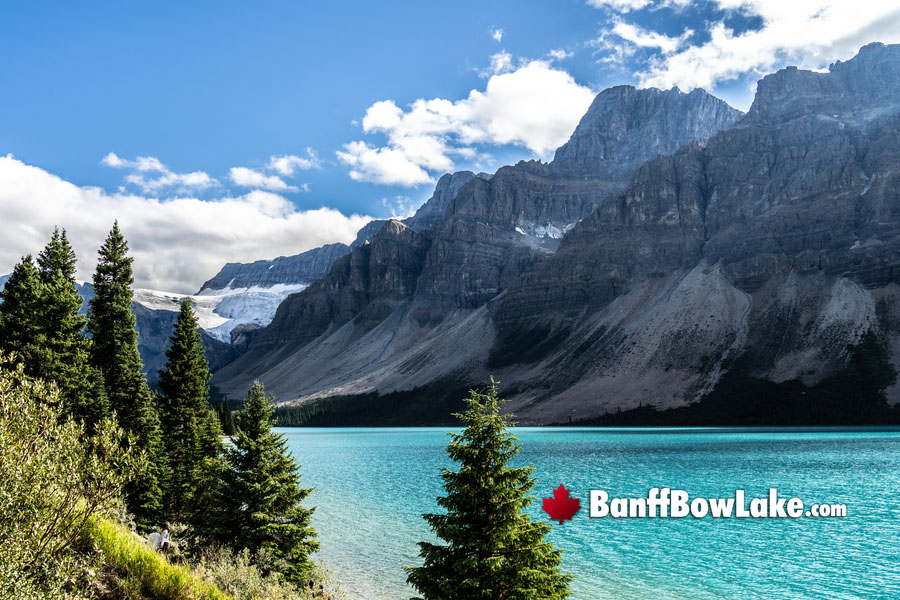
Banff Bow Lake in May

May at Bow Lake offers a quieter and more rugged Rocky Mountain experience where the final grip of winter blends with the first movement of spring beneath some of the most dramatic scenery along the Icefields Parkway.

Banff Bow Lake in May

Banff Bow Lake in May

Bow Lake during May presents a cold, quiet, and highly atmospheric mountain landscape where winter still lingers across the higher elevations of the Canadian Rockies. Located along the Icefields Parkway, the lake during spring often feels remote and untouched, surrounded by towering snow-covered peaks, frozen slopes, and glacier-fed waters slowly awakening from winter.

In early May, portions of Bow Lake may still hold lingering ice along the shoreline or partially frozen sections depending on seasonal temperatures. As the month progresses, more open water appears, revealing the lake's cold blue and turquoise tones beneath the surrounding mountain scenery. The transition between ice and open water creates a unique appearance rarely seen during the busy summer season.

The surrounding peaks remain heavily snow-covered throughout most of May. Crowfoot Mountain and nearby alpine ridges rise sharply above the lake, often reflecting in calm sections of water during quiet mornings. The nearby glaciers and snowfields help maintain the crisp alpine atmosphere, keeping temperatures cool even during sunny afternoons.

The air around Bow Lake during May feels fresh and sharply mountain-like. Cold winds frequently move down from the glaciers and higher elevations, especially during mornings and evenings. Visitors often experience rapidly changing weather conditions ranging from bright sunshine and blue skies to snow flurries, rain showers, or drifting mountain fog within the same day.

One of the defining characteristics of Bow Lake in May is the sense of stillness. Compared to the peak tourism season, the area often feels calmer and less crowded, allowing visitors to fully absorb the scale of the surrounding wilderness. The lake sits within a broad glacial valley where towering peaks, avalanche slopes, and dense evergreen forests create an environment that feels both rugged and peaceful.

Spring runoff gradually begins feeding the lake during May as surrounding snowpack starts melting. Small streams and waterfalls flowing into the lake become more active, while the nearby Bow River begins its long journey eastward from the glaciers and snowfields of the Rockies. The movement of meltwater adds life and sound to a landscape that spent much of winter frozen and silent.

Wildlife activity around the lake also increases during spring. Visitors traveling the Parkway may encounter bighorn sheep, elk, deer, or occasionally bears emerging into thawing valley areas. Bird activity becomes more noticeable near the shoreline and wetlands as migratory species return to the mountains.

Photography during May at Bow Lake can be exceptionally dramatic because of the seasonal contrasts. Snow-covered mountains tower above dark blue water and lingering ice formations, while changing spring weather creates shifting light across the valley. Calm mornings often produce mirror-like reflections, while stormier afternoons can give the lake a moody and powerful alpine character.

May at Bow Lake offers a quieter and more rugged Rocky Mountain experience where the final grip of winter blends with the first movement of spring beneath some of the most dramatic scenery along the Icefields Parkway. Banff Bow Lake

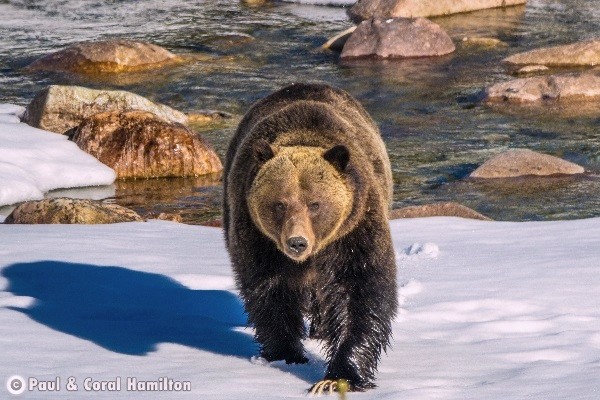
Banff Wildlife During May

May in Banff National Park offers one of the richest wildlife-viewing seasons of the year, combining active animals, emerging spring landscapes, and lingering alpine snow into a classic Canadian Rockies experience.

Banff Wildlife During May

Banff Wildlife During May

Wildlife activity throughout Banff National Park becomes especially active during May as the Rockies transition from winter into spring. Snow begins retreating from lower valleys, fresh vegetation emerges, rivers swell with meltwater, and many animals move into more visible areas searching for food after the long mountain winter. For many visitors, May is one of the best times of year to observe wildlife because animals are often active at lower elevations while the surrounding scenery still holds dramatic snow-covered peaks.

Elk are among the most commonly seen animals during May around the Banff townsite and surrounding valleys. Large herds frequently graze in open meadows, roadside clearings, and river flats where fresh spring vegetation appears first. Male elk are usually beginning early antler growth during this period, while females remain highly protective of calves later in the season. Early mornings and evenings are often the best times to spot them feeding quietly against the backdrop of snowy mountain ranges.

Bighorn sheep also become more visible during spring. Visitors traveling roads near Lake Minnewanka, the Bow Valley, or rocky roadside slopes often encounter sheep grazing on exposed grasses and climbing steep cliffs. Their light-colored coats stand out clearly against the darker rock and evergreen forests during May.

Black bears begin emerging regularly throughout May after winter hibernation. They are commonly seen feeding along roadside ditches, avalanche slopes, and open meadows where early vegetation becomes available. Some bears appear dark black, while others carry lighter brown or cinnamon coloring. The sight of a bear grazing beneath snow-covered mountain peaks is one of the iconic spring wildlife scenes in Banff. Grizzly bears also begin becoming active during May, particularly in broader valley systems and remote mountain areas.

Wildlife viewing during May often feels especially dynamic because animals are highly focused on feeding and recovering energy after winter. Open grassy areas throughout the park become gathering points for elk, deer, sheep, and occasionally moose as the first fresh vegetation emerges from beneath melting snow.

Bird activity increases dramatically throughout spring. Mountain bluebirds, waterfowl, eagles, ravens, and many migratory species return to the valleys and lakeshores. Wetlands and river systems become lively with movement and sound after the quieter winter months. Along lakes and rivers, visitors may spot ducks and geese returning to thawed water while bald eagles patrol overhead searching for food.

Coyotes and wolves remain active year-round, though sightings are less common. Coyotes are occasionally visible in open valleys and grasslands during early morning hours, while wolves typically remain more elusive in remote wilderness areas. Tracks in muddy spring terrain sometimes reveal recent wildlife movement even when the animals themselves remain unseen.

The mountain scenery during May adds significantly to the wildlife experience. Animals are often viewed against a landscape still dominated by snow-covered peaks, frozen upper slopes, and dramatic spring skies. The contrast between active wildlife in green valley bottoms and lingering winter conditions above creates a uniquely Rocky Mountain atmosphere.

Visitors exploring areas such as Icefields Parkway, Vermilion Lakes, Lake Minnewanka, and the Bow Valley corridor frequently encounter some of the park's best spring wildlife viewing opportunities. Dawn and dusk are typically the most active periods, when cooler temperatures and lower traffic levels encourage animal movement.

May in Banff National Park offers one of the richest wildlife-viewing seasons of the year, combining active animals, emerging spring landscapes, and lingering alpine snow into a classic Canadian Rockies experience. Canadian Rockies Wildlife Wildlife On Video

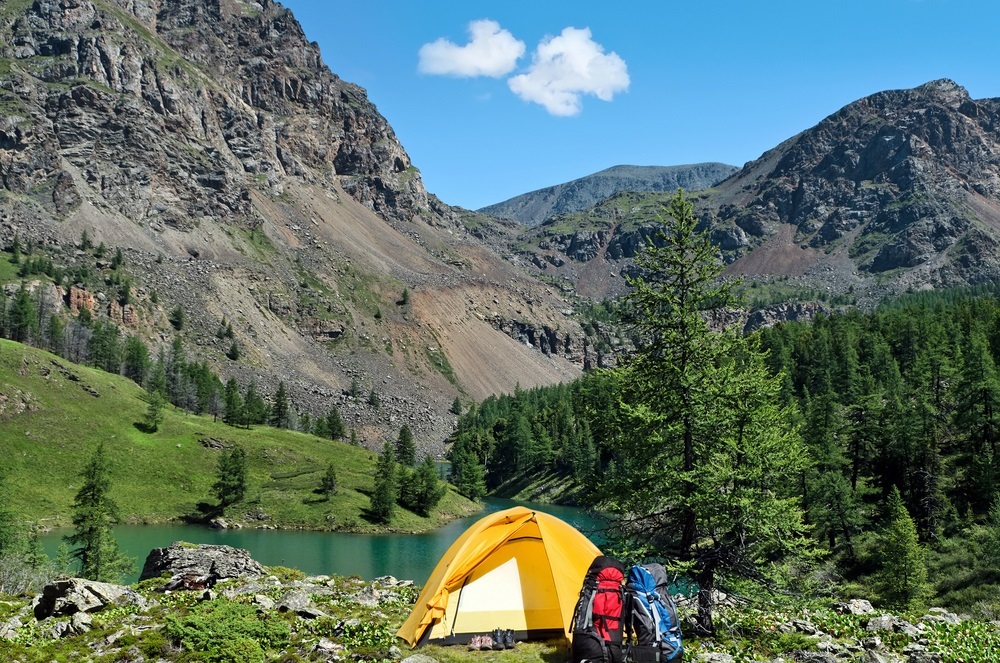
Camping in Banff During May

Camping in Banff National Park during May delivers a refreshing blend of spring renewal and lingering alpine winter. It is a season defined by cool nights, active wildlife, roaring rivers, snow-covered peaks, and the peaceful atmosphere of the Rockies gradually awakening for summer.

Camping in Banff During May

Camping in Banff During May

Camping in Banff National Park during May offers a true shoulder-season Rocky Mountain experience where spring is arriving in the valleys while winter conditions can still persist at higher elevations. For many campers, May provides a quieter and more peaceful atmosphere compared to the busy summer months, with cool mountain air, snow-covered peaks, active wildlife, and rapidly changing alpine weather shaping the experience.

Lower elevation campgrounds near the Banff townsite and Bow Valley usually begin becoming fully accessible during May, although conditions can vary depending on snowfall and spring temperatures. Campgrounds often feature a mix of thawed forest ground, damp earth, patches of lingering snow, and fresh spring vegetation beginning to emerge beneath the trees. Evergreen forests remain deep green year-round, while surrounding mountain slopes continue holding snow well into the month.

Temperatures during May can vary dramatically between daytime and nighttime. Sunny afternoons may feel mild and comfortable for hiking or relaxing outdoors, while overnight temperatures frequently drop close to or below freezing. Frost in the mornings is common, especially in valley-bottom campgrounds surrounded by mountains. Campers typically prepare for both spring and winter conditions by bringing layered clothing, insulated sleeping gear, and weather-resistant equipment.

One of the most memorable aspects of May camping in Banff is the scenery. Campsites are often surrounded by snow-covered peaks, rushing rivers swollen from snowmelt, and forests beginning to awaken after winter. The contrast between thawing valleys and white alpine ridges creates a highly atmospheric mountain environment that feels both rugged and refreshing.

Wildlife activity increases significantly throughout May. Elk, deer, bighorn sheep, and occasionally bears become more active around valley corridors and open meadows. Campers frequently spot animals near roadsides, riverbanks, or forest edges, especially during early mornings and evenings. Because bears emerge from hibernation during spring, proper food storage and campground wildlife precautions become especially important during this season.

Campfires during May can feel particularly enjoyable because of the cool mountain temperatures. Sitting beside a fire beneath crisp evening skies while surrounded by snow-covered mountains becomes one of the defining experiences of spring camping in the Rockies. On clear nights, the mountain air often provides excellent visibility for stars above the dark forested valleys.

Weather conditions during May can change quickly throughout Banff National Park. A single day may include sunshine, rain showers, cold winds, or even brief snowfall depending on elevation and mountain systems moving through the region. Campers often experience several seasons within a short period of time, especially near higher mountain corridors and along the Icefields Parkway.

Rivers and waterfalls throughout the park become increasingly active during spring runoff. Meltwater rushing through mountain valleys adds constant sound and movement to many camping areas. Lakes at lower elevations begin thawing fully during May, while some higher lakes may still hold ice along shorelines or partially frozen surfaces.

May camping also offers a quieter atmosphere before the full summer tourism season arrives. Trails, picnic areas, and campground roads often feel calmer, allowing visitors to enjoy a more relaxed connection with the surrounding wilderness. The combination of fewer crowds and dramatic seasonal scenery makes May especially appealing for visitors seeking a more tranquil mountain experience.

Camping in Banff National Park during May delivers a refreshing blend of spring renewal and lingering alpine winter. It is a season defined by cool nights, active wildlife, roaring rivers, snow-covered peaks, and the peaceful atmosphere of the Rockies gradually awakening for summer. Banff Camping

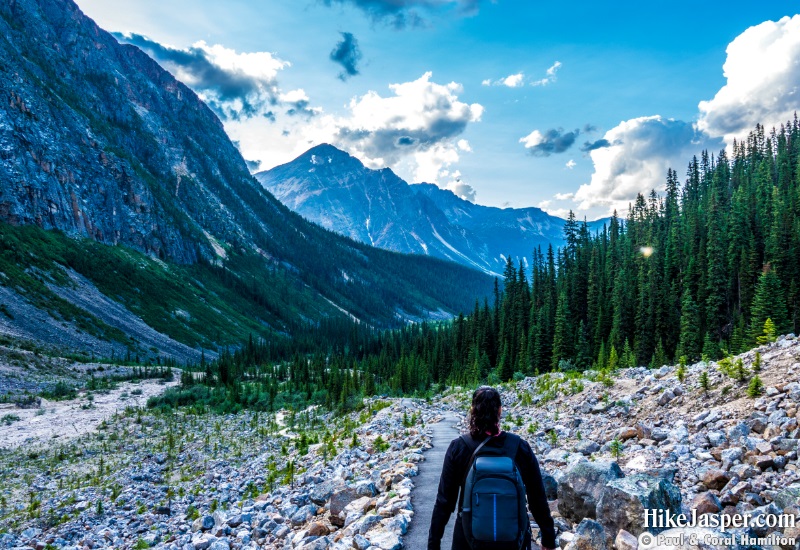
Hiking in May

Hiking in Banff National Park during May provides a refreshing blend of spring renewal and lingering alpine wilderness, where hikers experience thawing valleys, roaring waterfalls, active wildlife, and snowy mountain scenery all at once.

Hiking in May

Hiking in May

Hiking in Banff National Park during May offers a unique spring mountain experience where lower valley trails begin opening into warmer conditions while higher elevations often remain firmly in late winter terrain. The month is defined by seasonal transition, meaning hikers frequently encounter a mix of dry pathways, muddy forest sections, lingering snow, icy slopes, and rapidly changing mountain weather all within the same outing.

Lower elevation hikes around the Banff townsite and Bow Valley become some of the most accessible during May. Trails through forests, riverside pathways, and foothill terrain gradually dry out as snow retreats from the valleys. Areas near the Bow River and valley-bottom meadows often begin showing fresh spring vegetation, while surrounding mountain peaks remain heavily snow-covered overhead.

Higher elevation trails can still hold substantial snowpack during May, especially routes leading toward alpine lakes, passes, and mountain summits. Hikers venturing upward frequently encounter snow-covered switchbacks, icy sections, avalanche terrain, and deep drifts lingering beneath shaded forest areas. Because of these conditions, many alpine hikes remain partially winter-like well into spring.

One of the defining features of May hiking is the dramatic scenery created by the changing season. Valley forests begin turning greener while waterfalls and rivers surge with snowmelt from the surrounding mountains. Snow-covered ridges rise above thawing landscapes below, creating powerful contrasts throughout the park. On clear days, visibility can be exceptional in the cool spring air, making mountain views especially sharp and expansive.

Wildlife activity increases significantly during May, adding another dimension to hiking throughout the Rockies. Elk, deer, bighorn sheep, and bears become more active as vegetation emerges along valley corridors and open slopes. Hikers commonly encounter wildlife signs or sightings during spring outings, particularly during mornings and evenings. Carrying bear spray and remaining alert becomes especially important because bears are actively feeding after hibernation.

Trail conditions in May can vary widely depending on elevation, slope exposure, and recent weather. South-facing trails may become mostly dry and comfortable, while shaded forest sections remain muddy or snow-covered. Some trails experience runoff flooding, icy patches, or unstable footing from thawing ground. Waterproof boots and layered clothing are often essential because hikers may move through several different terrain conditions during one trip.

The weather in the Rockies during May remains highly unpredictable. Warm sunshine can quickly shift to cold winds, rain showers, or snowfall, especially at higher elevations. Hikers frequently prepare for both spring and winter conditions even on shorter routes. Sudden temperature drops and mountain storms are still possible throughout the month.

Popular spring hiking areas during May often include lower elevation viewpoints, canyon walks, and valley trails where snow clears earlier than in the alpine. Trails around Johnston Canyon, the Bow Valley, and foothill areas near Banff and Canmore typically become more accessible before higher alpine routes fully open for summer.

One of the rewards of hiking in May is the quieter atmosphere before peak summer crowds arrive. Many trails feel more peaceful, allowing hikers to experience the sound of rushing rivers, birds returning to the forests, and cool mountain air without the busier conditions of midsummer. The landscape during this season often feels more rugged and untamed because winter has not fully released its hold on the mountains.

Hiking in Banff National Park during May provides a refreshing blend of spring renewal and lingering alpine wilderness, where hikers experience thawing valleys, roaring waterfalls, active wildlife, and snowy mountain scenery all at once. Hiking

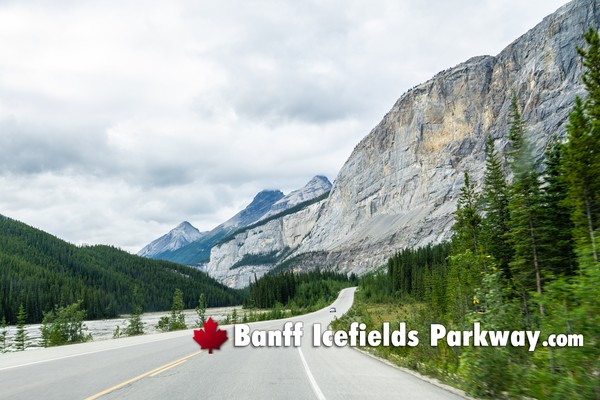
Icefields Parkway During May

The Icefields Parkway during May offers a powerful Rocky Mountain journey where roaring waterfalls, glaciers, active wildlife, lingering snow, and emerging spring landscapes combine into one of the most scenic drives in North America.

Icefields Parkway During May

Icefields Parkway During May

Driving the Icefields Parkway during May delivers one of the most dramatic spring mountain experiences in the Canadian Rockies. Stretching between Banff and Jasper, the Parkway during this time of year feels wild, expansive, and heavily shaped by the transition between winter and spring. Snow-covered peaks still dominate the landscape while lower valleys begin thawing, creating striking contrasts across nearly every section of the drive.

In May, much of the Parkway remains surrounded by lingering alpine snowpack. Massive mountain walls rise above the highway with glaciers, avalanche slopes, frozen ridgelines, and snowfields extending across the horizon. At lower elevations, forests begin showing the first hints of spring while rivers and waterfalls swell with cold meltwater flowing from the mountains above.

The scenery during May often feels exceptionally crisp because of the cool mountain air and reduced summer haze. On clear days, visibility can stretch for enormous distances, revealing endless layers of Rocky Mountain ranges in sharp detail. Fresh snowfall is still possible throughout the month, especially around higher elevations near the Columbia Icefield, adding even more dramatic contrast to the landscape.

Driving conditions can vary considerably during spring. Some days feature dry pavement and bright sunshine, while others bring rain, icy conditions, blowing snow, or fog across higher passes. Mountain weather changes rapidly along the Parkway, and travelers often experience several different weather systems during a single drive. Temperatures near the Icefields and higher elevations remain significantly colder than in nearby towns.

Waterfalls become especially impressive during May because spring runoff begins intensifying throughout the Rockies. Stops such as Athabasca Falls and nearby canyon systems thunder with glacier-fed water rushing through narrow rock formations. Smaller roadside streams and waterfalls also emerge across cliff faces and mountain slopes as the snowpack slowly melts.

Lakes along the Parkway undergo dramatic seasonal transitions during May. Lower lakes may already display open turquoise water, while higher elevation lakes can remain partially frozen or edged with lingering ice. Bow Lake often appears especially atmospheric during spring, with dark cold water surrounded by snow-covered mountains and glacier views.

Wildlife activity becomes one of the highlights of traveling the Icefields Parkway during May. Elk, deer, bighorn sheep, mountain goats, and occasionally bears are commonly seen along valley bottoms and roadside slopes where fresh vegetation emerges first. Early mornings and evenings frequently provide the best wildlife viewing opportunities.

Traffic levels during May are generally lighter than the peak summer season, giving the drive a quieter and more remote feeling. Many viewpoints, pullouts, and scenic stops feel calmer, allowing visitors to spend more time absorbing the immense scale of the surrounding wilderness. The atmosphere during spring often feels more rugged and authentic because winter has not yet fully released the mountains.

Photography along the Parkway during May can be extraordinary because of the seasonal contrasts. Snow-covered peaks tower above thawing valleys, turquoise rivers cut through dark forests, and rapidly changing weather creates dramatic light conditions throughout the day. Low clouds moving between mountain ranges often add depth and mood to the scenery.

The Icefields Parkway during May offers a powerful Rocky Mountain journey where roaring waterfalls, glaciers, active wildlife, lingering snow, and emerging spring landscapes combine into one of the most scenic drives in North America. Banff Icefields Parkway

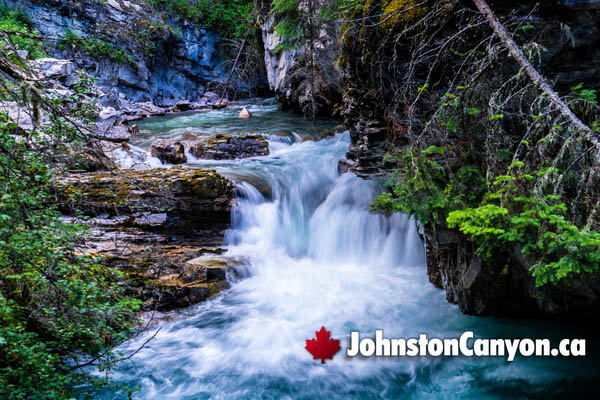
Johnston Canyon During May

May at Johnston Canyon delivers a refreshing and energetic spring experience where roaring waterfalls, cool canyon air, thawing forest trails, and powerful mountain runoff combine into one of Banff's most memorable seasonal hikes.

Johnston Canyon During May

Johnston Canyon During May

Johnston Canyon during May offers a dramatic spring hiking experience where rushing meltwater, cool canyon air, lingering snow, and thawing forest landscapes combine into one of the most atmospheric times to visit the canyon. Located along the western side of Banff National Park, the canyon during spring feels energetic and alive as mountain runoff surges through the narrow limestone gorge.

One of the defining features of Johnston Canyon in May is the power of the water. As snow begins melting throughout the surrounding mountains, Johnston Creek swells dramatically, sending roaring whitewater through the canyon's narrow rock walls. The sound of rushing water echoes continuously throughout the gorge, creating an immersive atmosphere from the moment visitors begin walking the trail.

The elevated catwalks and pathways attached to the canyon walls provide especially exciting views during May because the waterfalls and rapids are often near peak spring flow. Looking down from the railings reveals churning water crashing through tight rock formations, swirling around smooth canyon curves carved over thousands of years by the force of the creek.

The Lower Falls during May are especially impressive, with powerful water plunging through the narrow canyon opening while heavy mist fills the surrounding area. Visitors walking through the small tunnel toward the viewing platform near the falls frequently experience cool spray from the rushing water. The Upper Falls farther along the trail also become highly dramatic during spring runoff, pouring down the rock face with tremendous force beneath lingering snow-covered slopes above.

The forest surrounding Johnston Canyon begins transitioning into spring during May. Evergreen trees remain deep green while lower vegetation slowly emerges beneath the forest canopy. Patches of snow often remain along shaded sections of the trail, especially earlier in the month, adding to the sense of seasonal transition throughout the canyon.

Temperatures inside the canyon can feel noticeably cooler than nearby open areas because of the rushing glacier-fed water, shaded cliffs, and damp air. Even on warmer spring days, visitors often experience cool breezes and moist conditions near the waterfalls. Waterproof footwear and layered clothing are commonly helpful because sections of the trail may remain wet, muddy, or icy depending on recent weather.

The atmosphere during May often feels quieter and more natural compared to peak summer months. Morning visits can be especially peaceful, with fewer visitors and softer light filtering through the canyon walls and forest. The combination of roaring water, fresh mountain air, and lingering alpine snow gives the canyon a rugged spring character that feels distinctly Rocky Mountain in nature.

Wildlife activity around the canyon and nearby Bow Valley increases during spring. Elk, deer, birds, and occasionally other wildlife may appear in surrounding forested areas or roadside clearings as vegetation returns to the valley floor.

Photography during May at Johnston Canyon can be particularly rewarding because of the strong contrast between whitewater, dark canyon rock, evergreen forest, and remaining snow patches. The waterfalls often appear especially dynamic and photogenic during spring runoff, while changing mountain weather can add mist, cloud cover, or dramatic lighting to the canyon environment.

May at Johnston Canyon delivers a refreshing and energetic spring experience where roaring waterfalls, cool canyon air, thawing forest trails, and powerful mountain runoff combine into one of Banff's most memorable seasonal hikes. Johnston Canyon

Lake Louise in May

May at Lake Louise offers a quieter and highly atmospheric Rocky Mountain experience where winter and spring meet beneath some of the most iconic scenery in Canada.

Lake Louise in May

Lake Louise in May

Lake Louise during May presents a striking transition between winter and spring, where frozen alpine scenery gradually begins awakening beneath towering snow-covered peaks. The lake at this time of year often feels quieter, colder, and more rugged than during the busy summer season, offering visitors a chance to experience the Rockies in a more peaceful and atmospheric setting.

One of the most unique aspects of Lake Louise during May is that the lake itself is frequently still partially or fully frozen for much of the month. Ice may continue covering large portions of the surface, especially early in May, while warmer periods gradually begin breaking up the frozen layers near the shoreline. As thawing progresses, sections of the lake start revealing the famous turquoise water beneath the ice, creating dramatic contrasts between frozen white surfaces and vivid blue-green meltwater.

The surrounding mountain scenery remains heavily winter-like throughout May. Mount Victoria and the surrounding alpine peaks tower above the lake with deep snow still covering ridges, glaciers, and avalanche slopes. The nearby Victoria Glacier continues feeding the lake with cold meltwater while adding to the immense alpine atmosphere surrounding the valley.

Temperatures around Lake Louise during May are often cool to cold, especially during mornings and evenings. Frost and snowfall are still possible, and mountain weather can shift rapidly between sunshine, snow showers, rain, and cloud cover. Sunny afternoons may feel comfortable near the shoreline, but cold winds flowing down from the glacier frequently remind visitors that winter has not fully left the high Rockies.

The lakeshore area during May feels calmer than in peak summer. Visitors often experience quieter walking paths, less crowded viewpoints, and a more relaxed atmosphere around the shoreline. The stillness of the partially frozen lake combined with the crisp mountain air creates an environment that feels serene and deeply alpine.

Hiking conditions around the lake vary significantly during May. Lower pathways near the shoreline may become mostly accessible, while higher elevation trails leading toward alpine tea houses or mountain passes frequently remain snow-covered and icy. Spring melt can also create muddy sections and fast-moving runoff along some forest trails.

Wildlife activity around the greater Lake Louise area increases during May as animals move into lower elevations searching for fresh vegetation. Elk, deer, and occasionally bears may appear near roadside corridors and open valley areas as the Rockies transition toward summer.

Photography at Lake Louise during May can be exceptionally dramatic because of the seasonal contrasts. Snow-covered peaks rise above frozen or partially thawed water, while changing weather patterns create shifting reflections, mist, and mountain light throughout the day. Early mornings often provide especially calm conditions with crisp visibility and soft lighting across the valley.

As the month progresses toward late May, the lake slowly transforms from a winter landscape into an emerging alpine spring environment. Ice breakup becomes more visible, runoff increases, and the valley gradually begins showing hints of greener vegetation while the upper mountains remain locked in snow.

May at Lake Louise offers a quieter and highly atmospheric Rocky Mountain experience where winter and spring meet beneath some of the most iconic scenery in Canada. Banff Lake Louise

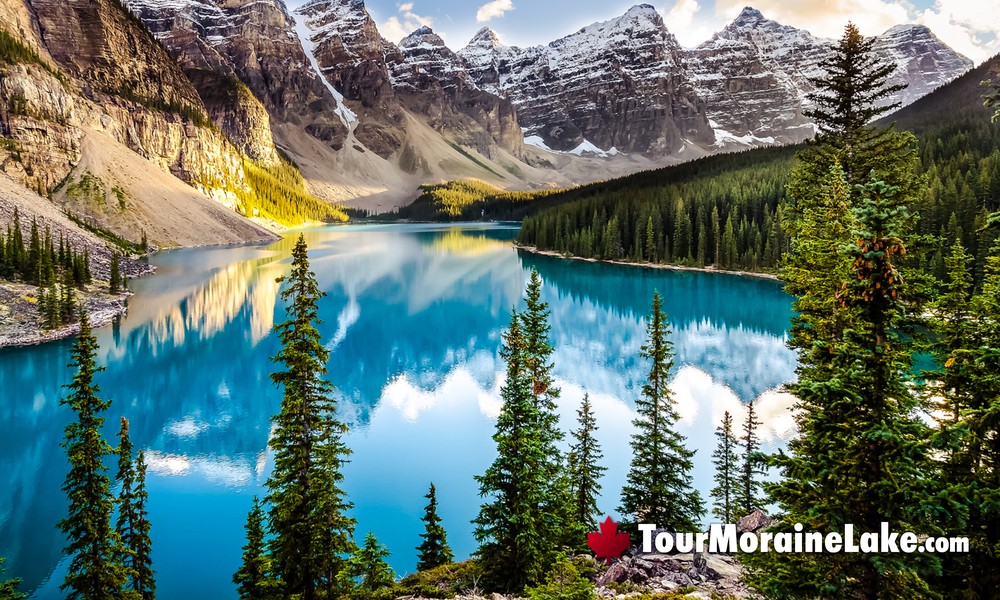
Moraine Lake in May

May at Moraine Lake delivers a raw and majestic alpine experience where winter still commands the landscape, offering visitors a quieter and more rugged version of one of the Rockies' most iconic locations.

Moraine Lake in May

Moraine Lake in May

Moraine Lake during May remains deeply alpine and heavily influenced by winter conditions, creating one of the most dramatic spring landscapes in the Canadian Rockies. Set within the Valley of the Ten Peaks, the lake during this time of year often feels quiet, remote, and rugged, with snow-covered mountains still dominating nearly every direction.

In most years, the lake itself remains frozen or partially frozen throughout much of May. Thick ice can continue covering the water well into late spring because of the lake's high elevation and cold mountain climate. Rather than the famous vivid turquoise seen in summer, visitors during May often encounter a white or pale blue frozen surface framed by towering snowy peaks and dense evergreen forests. As warmer temperatures slowly increase later in the month, sections of melting shoreline and fractured ice may begin appearing near the edges.

The surrounding Valley of the Ten Peaks remains firmly in winter conditions throughout May. Massive snow-covered peaks rise sharply above the lake, with avalanche slopes, glacier-fed ridges, and corniced summits still blanketed in deep snow. The dramatic alpine scenery during spring can feel even more powerful because the lake area remains quieter before the peak summer tourism season arrives.

Access to Moraine Lake during May is often highly dependent on seasonal road conditions and snow clearing operations. The Moraine Lake Road typically remains closed to regular vehicle traffic until later in the spring or early summer due to avalanche risk and heavy snow accumulation. As a result, visitors during May may experience a much quieter environment with limited access opportunities depending on annual conditions.

The atmosphere around Moraine Lake during May feels cold, crisp, and intensely alpine. Temperatures frequently remain near freezing, especially during mornings and evenings, while snowfall can still occur at any time. Even on sunny afternoons, cool mountain winds flowing through the valley maintain a distinctly winter-like feel.

The famous Rockpile viewpoint overlooking the lake often remains surrounded by snow during May, adding another layer of dramatic scenery to the landscape. Looking across the frozen lake toward the Ten Peaks reveals an environment that feels closer to late winter than spring, particularly during cloudy weather or after fresh snowfall.

Wildlife activity in the surrounding valleys begins increasing during May as lower elevations thaw. Elk, deer, and occasionally bears may appear along nearby road corridors and forest openings while searching for emerging vegetation. Bird activity also becomes more noticeable as spring slowly advances through the Rockies.

Photography at Moraine Lake during May offers a completely different character compared to summer. Instead of bright turquoise water and green alpine meadows, the landscape features frozen lake surfaces, deep snowpack, icy mountain ridges, and dramatic spring weather patterns. Low clouds, fresh snow, and sharp mountain light often create especially atmospheric conditions.

The transition from winter to spring happens slowly at Moraine Lake because of the high elevation and surrounding mountain terrain. By late May, some thawing may begin appearing around the shoreline and lower forest areas, but the upper valley generally remains snow-dominated well into early summer.

May at Moraine Lake delivers a raw and majestic alpine experience where winter still commands the landscape, offering visitors a quieter and more rugged version of one of the Rockies' most iconic locations. Moraine Lake

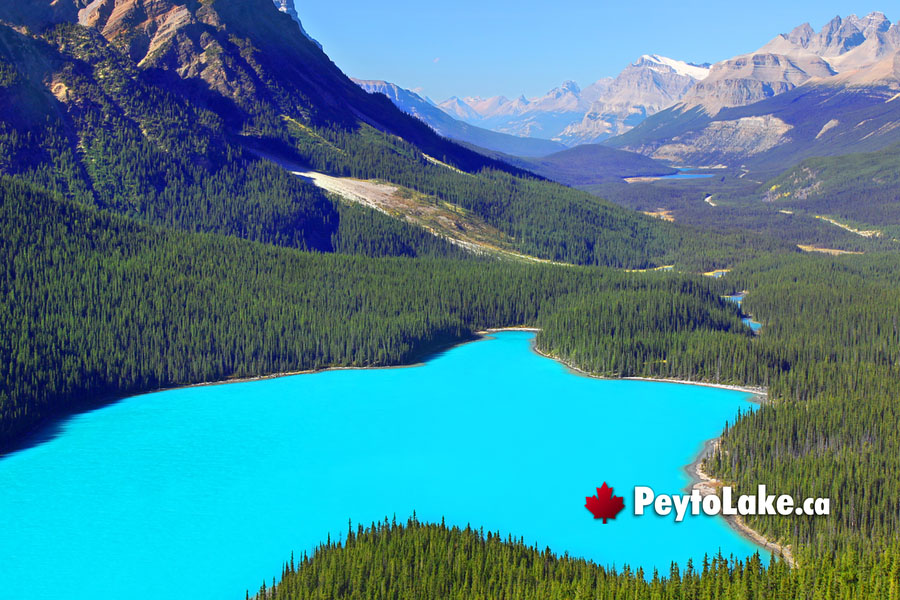
May at Peyto Lake

May at Peyto Lake offers a rugged and tranquil alpine experience where winter slowly loosens its hold on one of the Canadian Rockies' most iconic viewpoints, creating a landscape balanced between frozen wilderness and emerging spring.

May at Peyto Lake

May at Peyto Lake

Peyto Lake during May remains deeply alpine and heavily influenced by lingering winter conditions, even as spring slowly begins arriving in the lower valleys of the Canadian Rockies. Located high along the Icefields Parkway, Peyto Lake during May offers dramatic mountain scenery filled with snow-covered peaks, frozen terrain, crisp mountain air, and the gradual transition toward thawing alpine landscapes.

For much of May, the lake itself often remains frozen or only partially thawed depending on seasonal temperatures and snowfall. Large sections of ice and snow may continue covering the lake surface, especially early in the month. As temperatures slowly rise, melting begins around shoreline edges and thinner ice sections, occasionally revealing patches of the famous turquoise water beneath. This mixture of snow, ice, and emerging color creates a unique appearance rarely seen during the height of summer.

The surrounding mountains remain firmly winter-like throughout May. Snow blankets nearby ridges, avalanche slopes, and glacier-fed peaks surrounding the Peyto Lake valley. The elevated viewpoint overlooking the lake reveals an expansive alpine basin where winter still dominates the upper elevations while subtle signs of spring begin appearing lower in the landscape.

Walking to the viewpoint during May often involves crossing pathways lined with snowbanks or sections of packed snow and ice. Temperatures remain cool to cold throughout the day, especially during mornings and evenings, while mountain winds sweeping through the valley can make conditions feel even colder. Visitors commonly wear winter jackets and layered clothing because the high elevation maintains a distinctly alpine climate well into late spring.

The atmosphere around Peyto Lake during May feels peaceful and expansive. Compared to peak summer, the area is often quieter and less crowded, allowing visitors to fully appreciate the scale of the surrounding wilderness. The combination of frozen lake surfaces, towering snowy peaks, and crisp mountain silence creates a dramatic Rocky Mountain experience that feels both remote and powerful.

Weather conditions during May can change quickly. Bright sunshine reflecting off the snow may suddenly shift to low clouds, snowfall, or mountain fog moving across the ridges. Clear days often provide exceptionally sharp visibility across the surrounding ranges, while stormier conditions create moody alpine scenery with clouds drifting through the valleys.

Spring runoff gradually begins affecting the surrounding landscape during May. Snowmelt increases flow in nearby streams and rivers, while thawing forest areas begin showing hints of fresh vegetation beneath the evergreen canopy. Despite these early spring changes, the Peyto Lake region itself still strongly resembles winter throughout much of the month.

Wildlife activity increases throughout the Parkway corridor during May. While the higher elevations around Peyto Lake remain cold, animals such as bighorn sheep, elk, and mountain goats may occasionally be seen along lower roadside slopes and valley areas nearby as fresh vegetation emerges.

Photography during May at Peyto Lake can be especially dramatic because of the seasonal contrasts. Frozen lake surfaces sit beneath snow-covered mountains while occasional turquoise meltwater begins appearing through the ice. The changing weather, reflective snowfields, and crisp mountain light create highly atmospheric scenes throughout the day.

May at Peyto Lake offers a rugged and tranquil alpine experience where winter slowly loosens its hold on one of the Canadian Rockies' most iconic viewpoints, creating a landscape balanced between frozen wilderness and emerging spring. Peyto Lake

Spirit Island During May

May at Spirit Island delivers a peaceful and majestic Rocky Mountain experience where winter still lingers across the high alpine environment while the first signs of spring slowly emerge throughout the valleys below.

Spirit Island During May

Spirit Island During May

Spirit Island during May offers a quiet and deeply alpine wilderness atmosphere where lingering winter conditions still shape much of the surrounding landscape. Located on Maligne Lake within Jasper National Park, Spirit Island in May feels colder, calmer, and more remote than during the peak summer season, surrounded by snow-covered peaks, glacier-fed water, and dense evergreen forest.

The journey toward Spirit Island during May is heavily influenced by spring mountain conditions. Maligne Lake has only recently emerged from winter, and the water remains extremely cold from surrounding glaciers and melting snowpack. The lake surface often appears dark blue or steel blue beneath the snow-covered mountain ranges that still dominate the valley. Calm mornings can create mirror-like reflections across the lake, while cloudy conditions add mist and dramatic atmosphere to the surrounding peaks.

The mountains around Spirit Island remain heavily snow-covered throughout most of May. Sharp ridges and glacier-fed slopes rise directly from the shoreline, creating the iconic scenery that makes the area one of the most photographed locations in the Canadian Rockies. The strong contrast between dark evergreen forests, white snowfields, and cold alpine water gives the landscape a rugged and pristine appearance during spring.

The island itself appears especially isolated and peaceful during May. Surrounded by cold mountain water and framed by snowy peaks, Spirit Island often feels more untouched and serene before the larger summer crowds arrive. The stillness of the environment combined with the crisp mountain air creates a strong sense of remoteness and wilderness.

Temperatures near Spirit Island during May are typically cool to cold, especially out on the open water. Even on sunny afternoons, glacier-fed winds moving across the lake can make conditions feel sharply alpine. Visitors traveling by boat frequently wear layered clothing and jackets to remain comfortable during the journey.

Wildlife activity throughout the Maligne Valley begins increasing during May. Elk, deer, mountain goats, bears, and various bird species become more active in the surrounding forests and valleys as spring gradually develops at lower elevations. The drive toward Maligne Lake can itself become part of the wildlife-viewing experience during this time of year.

Weather conditions around Spirit Island can change rapidly during spring. Sunshine may quickly give way to low clouds, snowfall on higher peaks, or brief rain showers moving through the valley. Those changing conditions often enhance the atmosphere of the area, creating shifting light and dramatic mountain scenery throughout the day.

Photography at Spirit Island during May can be especially striking because of the seasonal contrasts. Snow-covered mountains tower above dark alpine water, while the evergreen-covered island stands out sharply against the surrounding wilderness. Reflections, low clouds, and crisp spring visibility often create highly atmospheric scenes unique to the shoulder season.

May at Spirit Island delivers a peaceful and majestic Rocky Mountain experience where winter still lingers across the high alpine environment while the first signs of spring slowly emerge throughout the valleys below. Spirit Island

Sunwapta Falls in May

May at Sunwapta Falls delivers a powerful spring Rocky Mountain experience where glacier-fed runoff, snowy peaks, cool canyon air, and roaring waterfalls combine into one of the most energetic natural scenes along the Icefields Parkway.

Sunwapta Falls in May

Sunwapta Falls in May

Sunwapta Falls during May becomes a powerful display of spring runoff and mountain energy as melting snow and glacier-fed water surge through the canyon system along the Icefields Parkway. Located south of Jasper, the falls during this time of year feel cold, wild, and intensely alpine, surrounded by snow-covered peaks, rushing rivers, and thawing evergreen forests.

The main waterfall during May often roars with tremendous force as the Sunwapta River carries increasing volumes of meltwater from nearby glaciers and mountain snowpack. The water crashes through the narrow rocky gorge beneath the viewing bridge, creating heavy mist, swirling whitewater, and a deep constant roar that echoes through the surrounding forest.

One of the most striking features of Sunwapta Falls in May is the dramatic contrast between the rushing water and the lingering winter landscape. Snow frequently remains visible along nearby mountain slopes, shaded forest areas, and higher elevations surrounding the valley. The combination of icy peaks and roaring spring runoff creates a distinctly Rocky Mountain atmosphere that feels both raw and refreshing.

The viewing areas and walking paths around the falls can still hold patches of snow, ice, or damp ground during May, especially after overnight freezes or fresh mountain snowfall. The cool spray from the waterfall combined with cold alpine air often makes the environment feel noticeably colder near the gorge itself, even on sunny afternoons.

The surrounding forest begins slowly awakening during spring. Evergreen trees remain vivid year-round while shrubs and lower vegetation gradually emerge with fresh green growth beneath the canopy. The scent of wet forest, rushing water, and cool mountain air becomes part of the experience while walking through the area.

Weather conditions around Sunwapta Falls during May can change quickly. Bright sunshine may illuminate the whitewater and surrounding peaks one moment, while low clouds, rain showers, or snow flurries move through the valley the next. These changing mountain conditions often add dramatic lighting and atmosphere to the falls.

Wildlife activity throughout the surrounding valley increases during May as animals move into lower elevations searching for fresh vegetation. Elk, deer, bighorn sheep, and occasionally bears may appear near roadside areas and open slopes along this section of the Parkway.

Photography during May at Sunwapta Falls can be especially rewarding because the falls are energized by peak spring runoff. Fast-moving whitewater, mist rising through dark canyon rock, snow-covered mountains, and crisp mountain visibility combine to create highly dramatic scenes. Morning light and overcast conditions often enhance the texture and movement of the water while preserving the rugged alpine mood of the landscape.

The overall atmosphere during May feels quieter and more untamed compared to the height of summer tourism. Visitors often experience a stronger sense of wilderness as the region transitions from winter toward spring, with the sounds of rushing meltwater dominating the valley.

May at Sunwapta Falls delivers a powerful spring Rocky Mountain experience where glacier-fed runoff, snowy peaks, cool canyon air, and roaring waterfalls combine into one of the most energetic natural scenes along the Icefields Parkway. Sunwapta Falls

Banff, Alberta Map

Banff National Park

Contact Banff May.com

Click to Contact Us